Blogs Related to Planets
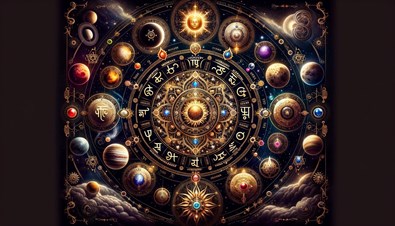
THE NINE PLANETS OF VEDIC ASTROLOGY AND ITS IMPORTANACE
Vedic astrology, also known as Jyotish, Hindu astrology or Indian astrology, is an ancient science that studies the influence of the nine planets on human life and destiny. The nine planets are Sun, Moon, Mars, Mercury, Jupiter, Venus, Saturn, Rahu and Ketu. Each planet has its own characteristics, qualities, effects and remedies in Vedic astrology.
Continue reading
Sun and its Transit
The Sun, known as Surya in Vedic astrology, holds a paramount position among the nine planets. As the very source of life and light, it represents the soul, authority, power, self-confidence, and vitality in a native's birth chart. The placement of the Sun in one's horoscope determines their ego, personal power, and essence of identity. In many ways, Surya signifies the core self, dictating how one shines their light in the world.
Continue reading
Moon and its Transit
The Moon's movements carry deep astrological significance in Vedic tradition. Understanding Chandra and its transit phases provides insight into how lunar energies influence our lives. Moon's Importance in Astrology The Moon represents emotions, needs, intuition, and the mind's waxing and waning.
Continue reading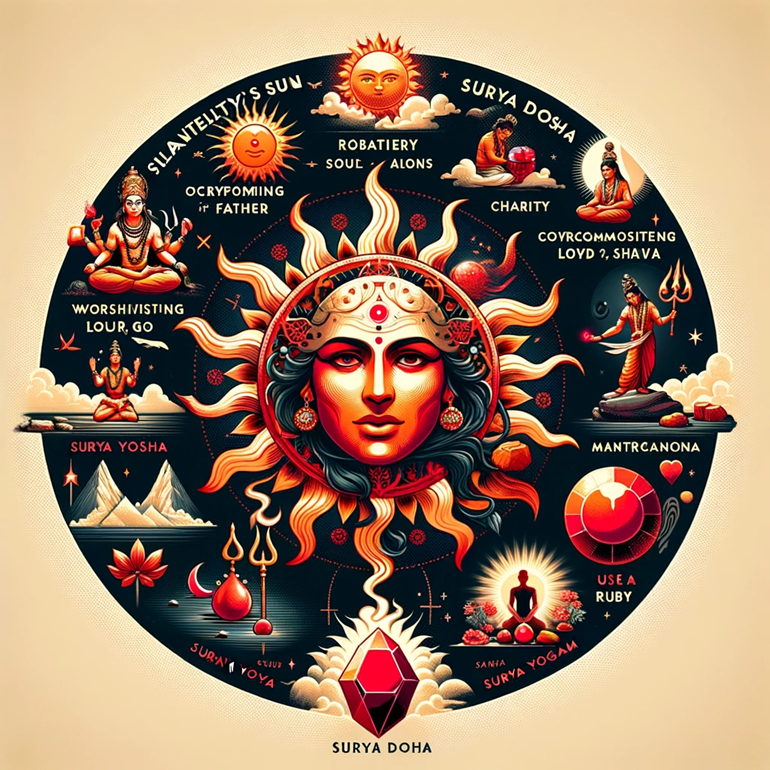
Illuminating Life with Sun: Remedies, Dosha, and Yogam in Vedic Astrology
Sun is the king of planets and the source of life. It represents the soul, the ego, the father, the authority, and the vitality of a person. When Sun is debilitated or afflicted in a native's horoscope, it can cause problems such as lack of confidence, low self-esteem, poor health, and disputes with father or superiors, obstacles in career, and loss of reputation.
Continue reading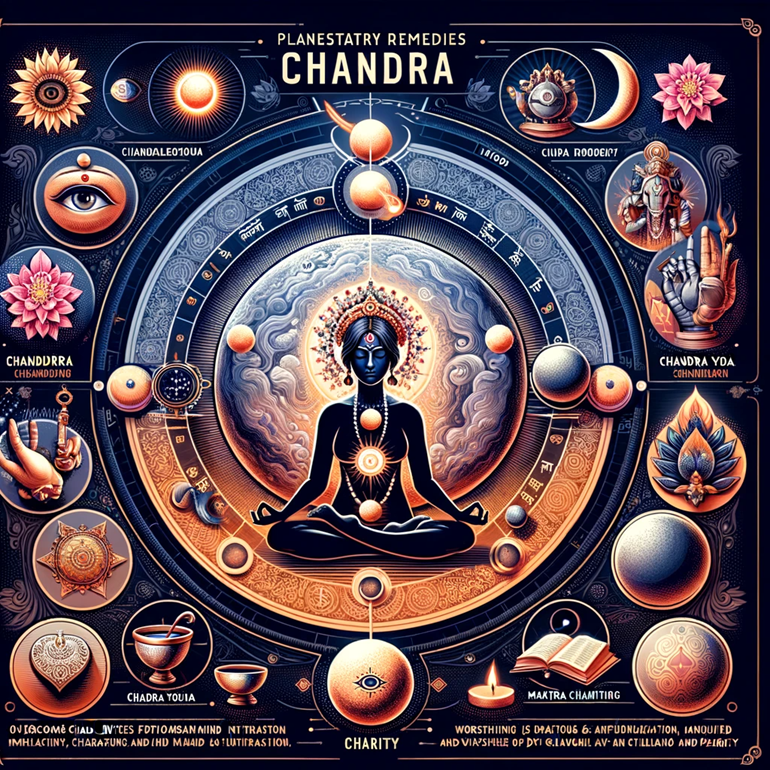
Embracing Moon's Essence: Remedies, Dosha, and Yogam in Vedic Astrology
Chandra (Moon) is Vedic astrology's second-most crucial planet after the Sun. Chandra represents a person's mind, emotions, intuition, imagination, and creativity. He also signifies the mother, the home, the family, and the public life of a person. Chandra is the lord of the zodiac sign of Cancer
Continue reading