Moon and its Transit
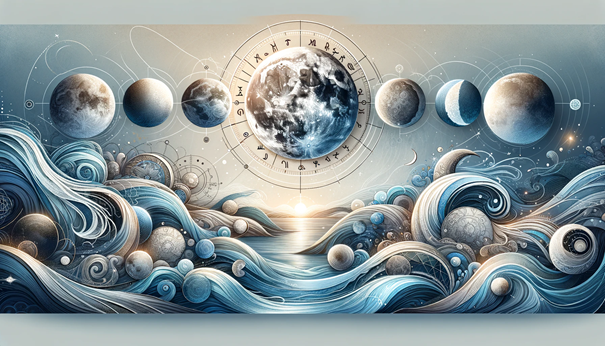
Moon and its Transit
The Moon's movements carry deep astrological significance in Vedic tradition. Understanding Chandra and its transit phases provides insight into how lunar energies influence our lives.
Moon's Importance in Astrology
The Moon represents emotions, needs, intuition, and the mind's waxing and waning. Its transits through the zodiac impart these lunar qualities into our experiences and inner states. Tracking the Moon's movements allows predicting how its placements impact mood, thinking, relationships, and fulfilling needs. As the fastest moving planet, Moon's transits are pivotal in electional astrology for timing events.
Moon's Astro Transit Duration
The Moon takes approximately 2 1⁄2 days to transit through each zodiac sign. It completes a full cycle around the zodiac in roughly 28 days. Key Moon transit phases include the New Moon, Waxing Moon, Full Moon, and Waning Moon. Being aware of what phase the Moon is in astrologically provides information to time activities.
Positive Effects of Moon's Transit
When transiting signs compatible with its qualities, the Moon can bring emotional fulfillment, intuition, creativity, nurturing experiences, and inner peace. Positive Moon periods are ideal for strengthening bonds, expressing feelings, starting fertility treatments, and activities requiring imagination.
Negative Effects of Moon's Transit
In challenging transits, the Moon can stimulate instability, anxiety, moodiness, lack of focus, and disruption in work or relationships. Periods of emotional volatility, interrupted sleep, or irritability may arise. Staying patient and delaying important initiatives is advised during such Moon phases.
What determines if the Transit is Positive or Negative
The Moon's dignity and house placement determine if its transit will be experienced as positive or negative. Factors include sign compatibility, planetary aspects, house ruled, and strength of placement. An astrologer charts how natal planets interface with the Moon's transit to fully assess impact.
Remedies to Control Negative Effects
To counter ill effects, calming rituals like meditation, chanting, fasting, or making offerings to Divine Mother are recommended during trying Moon periods. Wearing cooling gems like pearls or crystals and avoiding triggers can also minimize turbulence.
Rituals to Enhance Positive Effects
On auspicious transit days, rituals amplifying the Moon's gifts are advised. These include artistic pursuits, cherishing family time, meditating by water, acts of service, or reciting Lakshmi or Durga mantras for blessings.
Unlock the Moon's Secrets with Sulekha Astro
To fully understand the Moon's movements and meaning for your chart, consult our learned astrologers. We provide accurate transit analysis both online and in-person. Time events for success by the Moon's phases using Sulekha Astro's expertise.
Your Gateway to Cosmic Clarity
-
Unlock your destiny with expert astrological guidance.
-
Embark on a spiritual journey with Sulekha Astro's curated festivals and rituals.
Consult Compassionate Astrologers


Blogs Related to Planets
THE NINE PLANETS OF VEDIC ASTROLOGY AND ITS IMPORTANACE
Vedic astrology, also known as Jyotish, Hindu astrology or Indian astrology, is an ancient science that studies the influence of the nine planets on human life and destiny. The nine planets are Sun, Moon, Mars, Mercury, Jupiter, Venus, Saturn, Rahu a
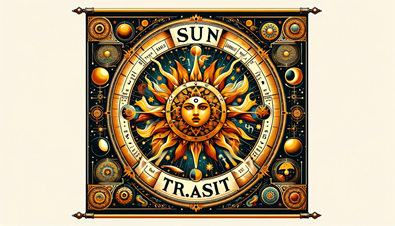
Sun and its Transit
The Sun, known as Surya in Vedic astrology, holds a paramount position among the nine planets. As the very source of life and light, it represents the soul, authority, power, self-confidence, and vitality in a native's birth chart. The placement of t
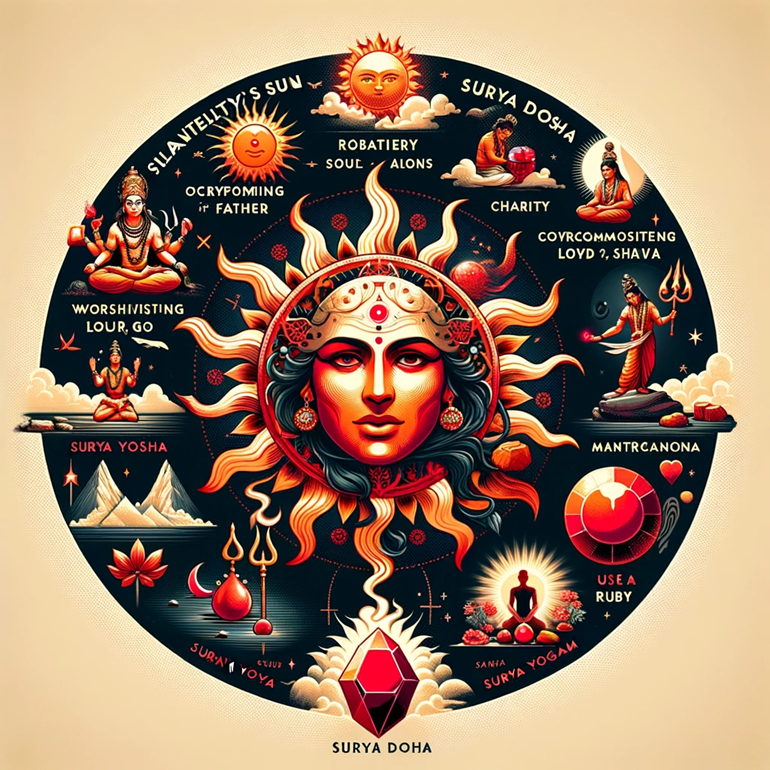
Illuminating Life with Sun: Remedies, Dosha, and Yogam in Vedic Astrology
Sun is the king of planets and the source of life. It represents the soul, the ego, the father, the authority, and the vitality of a person. When Sun is debilitated or afflicted in a native's horoscope, it can cause problems such as lack of conf
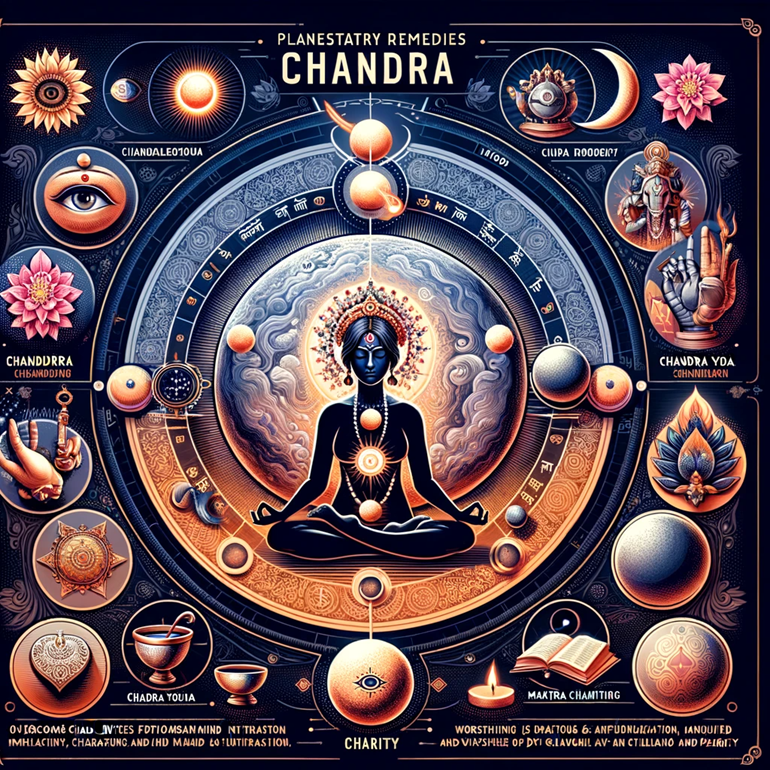
Embracing Moon's Essence: Remedies, Dosha, and Yogam in Vedic Astrology
Chandra (Moon) is Vedic astrology's second-most crucial planet after the Sun. Chandra represents a person's mind, emotions, intuition, imagination, and creativity. He also signifies the mother, the home, the family, and the public life of a person. C