Blogs Related to Prasanna Jothidam Astrology
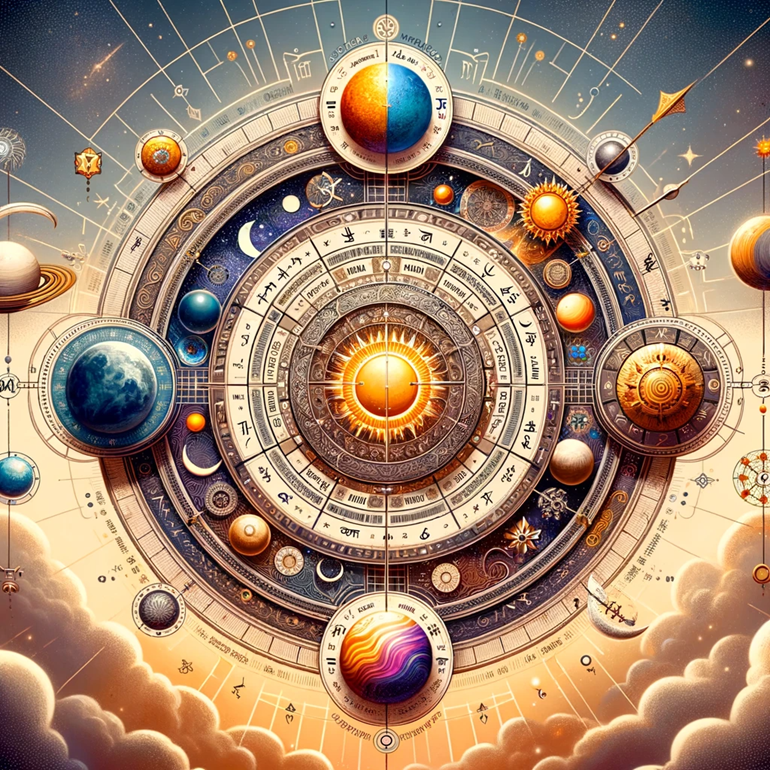
Navigating Time with Wisdom: The Role of 7 Horas in Vedic Astrology
Horas are segments of time defined by planetary influences in Vedic astrology.Deriving from the Sanskrit words "ahoratra", meaning day and night, Horas divide 24 hours into planetary portions. Each weekday is governed by a specific planet, and each Hour of that day by a specific Hora. So in total there are seven Horas for seven classical planets.
Continue reading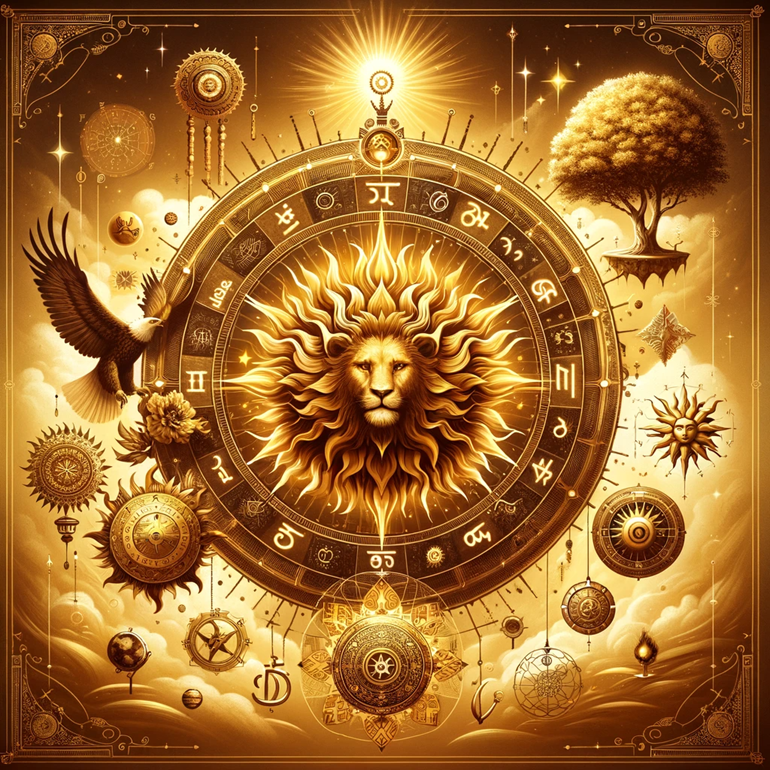
Illuminating the Power of Surya Hora: A Journey into Solar Majesty
The Sun Hora, or Surya Hora, is one of the seven Horas (or planetary hours) in Vedic astrology. 'Hora' originates from 'Ahoratra,' where 'Aho' means day, and 'Ratra' means night. In the concept of Horas, each day and night is divided into planetary hours, with each planet ruling a particular time frame. The time period that the Sun controls is known as the Sun Hora.
Continue reading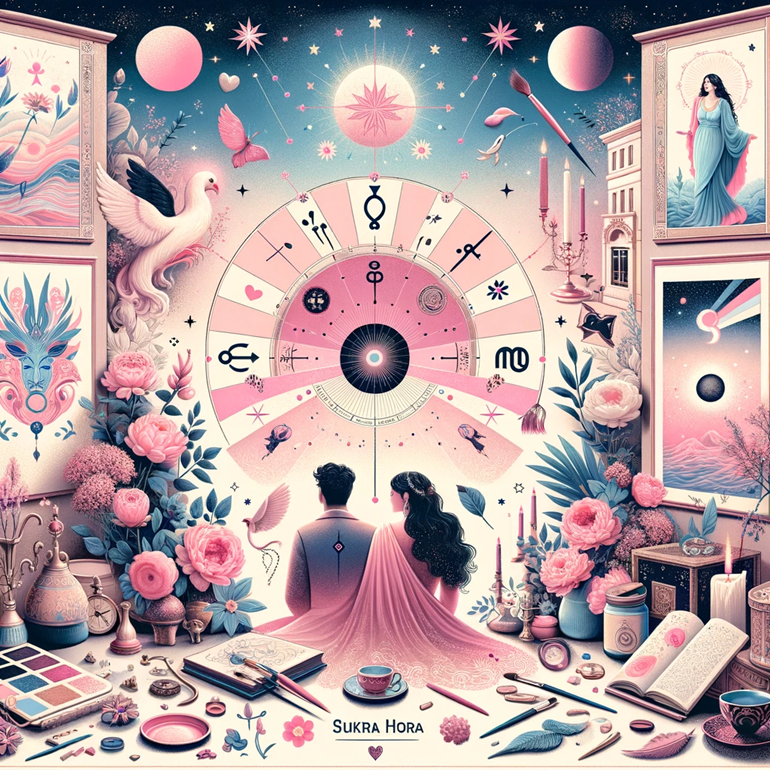
Unlocking the Mystique of Sukhra Hora: Venus's Hour of Enchantment
Sukhra Hora: The Time of Harmony and Pleasure Sukhra Hora represents the planetary hour of Venus in Vedic astrology's seven-fold division of time. It channels the energy and associations of the planet Venus as its phase. The Significance of Sukhra Hora
Continue reading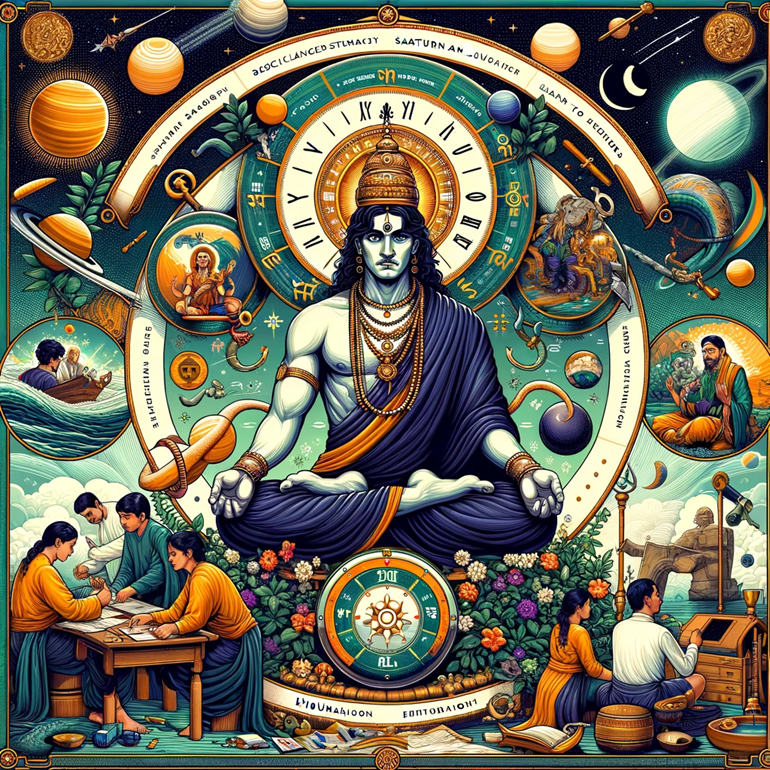
Embracing the Lessons of Saturn: The Profound Journey through Shani Hora
What is Shani Hora Shani Hora is the time ruled by the planet Shani, also known as Saturn, the lord of karma, discipline, and justice. Shani Hora occurs twice a day, once during the day and once during the night. The duration of each Shani Hora is one hour. Significance of Shani Hora
Continue reading
Moonlight Musings: Navigating the Depths of Chandra Hora
Chandra Hora, commonly known as the Moon Hora, is an integral segment of the seven Horas per Vedic Astrology. Unlike the powerful and radiant energy of the Sun, the Moon Hora is imbued with subtlety, emotions, and intuition. This is the time window when the Moon's gentle and nurturing energies reign supreme.
Continue reading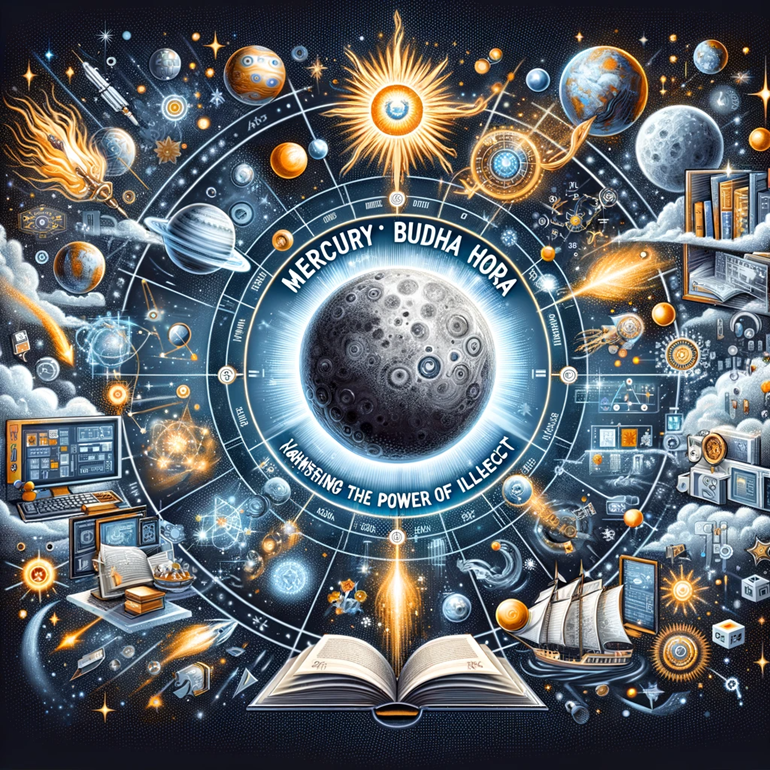
Mastering Mind and Matter: The Enlightening Journey through Mercury's Budha Hora
What is Mercury Hora Mercury Hora, often referred to as Budha Hora, is one of the specialized periods amongst the seven Horas in Vedic Astrology. Drawing its roots from 'Ahoratra,' Horas compartmentalizes day and night into planetary durations. The Mercury Hora is the time period that Mercury, a symbol of thought and communication, rules. Significance of Budha Hora
Continue reading